A28 Assen Closed: Navigating Traffic Chaos & Detours in Drenthe
The A28 highway, a vital artery connecting the northern Netherlands, has recently experienced significant disruptions, particularly around Assen in the province of Drenthe. These incidents, colloquially referred to as "Ongeval A28 Assen" by concerned motorists and local media, have led to extensive road closures, severe traffic jams, and widespread detours, significantly impacting daily commutes and regional logistics. Understanding the nature of these incidents, the resulting chaos, and how to effectively navigate the changed traffic landscape is crucial for anyone travelling through this region.
Unpacking the Recent Incidents: Two Days of Disruption on the A28
The A28 has seen a turbulent period, marked by two distinct and impactful incidents that brought parts of the highway to a standstill. These events highlight the fragility of our road networks and the swift, coordinated response required from emergency services and road authorities.
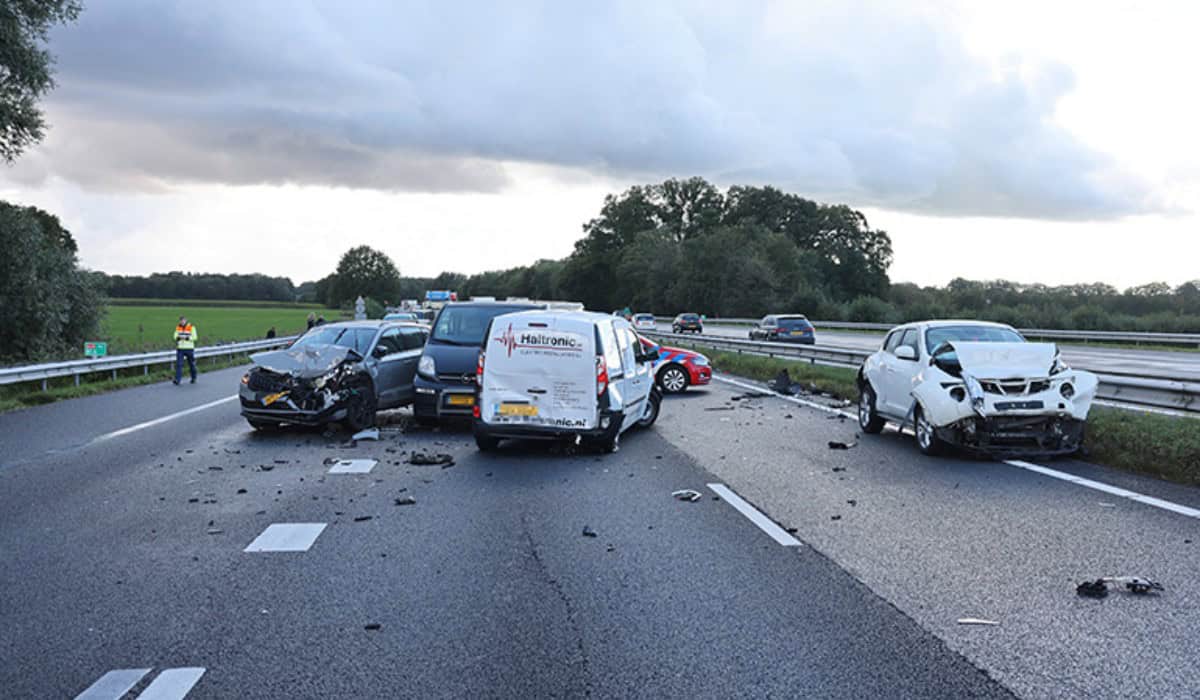
The first significant disruption occurred on a Tuesday morning, affecting the A28 in the direction of Assen. Between Beilen and Assen-Zuid, a multi-vehicle pile-up involving six vehicles brought traffic to a halt. Rijkswaterstaat, the Dutch Directorate-General for Public Works and Water Management, quickly confirmed the closure and advised of large-scale detours. The immediate aftermath was characterized by uncertainty regarding the duration of the closure and the extent of injuries, prompting many to seek alternative routes to bypass the congestion. While details regarding the severity of injuries from this specific incident were not immediately released, the sheer number of vehicles involved underscored the potential for serious consequences and the need for careful investigation into the cause.
However, the more severe and prolonged incident, which garnered widespread attention and led to extensive closures, took place on a Wednesday morning. This "Ongeval A28 Assen" involved a serious collision near De Punt, specifically between Eelde and Assen. A large truck, for reasons still under investigation, tragically rammed into a viaduct, causing significant structural damage and scattering debris across multiple lanes. This particular event triggered an immediate and massive response from emergency services.
The De Punt Viaduct Collision: A Closer Look
The scene at De Punt was one of immediate and grave concern. The impact of the truck against the viaduct was so severe that the driver became trapped within the mangled wreckage of the vehicle. Firefighters from Eelde and Nieuwe Pekela were swiftly on site, deploying a tank-sprayer and a specialized rescue vehicle to extricate the driver. The Mobile Medical Team (MMT) also arrived by car to provide advanced medical assistance at the scene, underscoring the severity of the situation. After a painstaking rescue operation, the truck driver was successfully freed and rushed to the hospital. Thankfully, initial reports indicated that while the injuries were serious, they were not considered life-threatening, a testament to the rapid and skilled response of the emergency personnel.
The consequences of this viaduct collision extended far beyond the immediate scene. The A28, in the direction of Assen, was completely shut down between Zuidlaren and Vries. The impact was so profound that even the opposing lanes, specifically the left lane in the direction of Groningen, had to be closed due to debris and for safety precautions. The road surface itself was strewn with fragments of the viaduct and the truck, rendering it impassable. This structural damage to the viaduct required extensive inspection and potential repair, meaning the closure was not a matter of hours but potentially days. Police initiated a thorough investigation into the exact cause of the accident, including forensic analysis of the scene and securing material evidence, before Rijkswaterstaat could even begin the monumental task of clearing the wreckage and assessing the viaduct's integrity. For a detailed account of this specific incident, refer to:
A28 De Punt: Truck Rams Viaduct, Major Delays & Road Closure.
Navigating the Detours: Essential Information for Motorists
With major sections of the A28 closed, understanding and utilizing the designated detours became paramount. Rijkswaterstaat swiftly implemented large-scale diversion routes to manage the displaced traffic, aiming to minimize congestion on smaller, local roads where possible.
For the Wednesday viaduct incident, traffic heading towards Assen was advised to take a substantial detour via the N34 and N386. These provincial roads, while capable of handling some diverted traffic, were inevitably put under immense strain, leading to longer travel times and slower speeds. Motorists previously expecting a straightforward journey faced significant delays, often adding an hour or more to their commute. It's important to note that these detours are subject to change based on real-time traffic conditions and the progress of incident management, so continuous monitoring of traffic information is vital.
Beyond following official signage, proactive planning is crucial. Before setting out, drivers should:
- Check Real-Time Traffic Apps: Applications like ANWB Verkeer, Google Maps, and Waze provide up-to-the-minute information on closures, traffic jams, and suggested alternative routes.
- Consult Rijkswaterstaat: Their website and social media channels (e.g., X/Twitter) are primary sources for official updates on road closures and expected durations.
- Listen to Traffic Radio: Local and national radio stations often provide regular traffic reports that can be invaluable, especially for drivers already en route.
- Consider Public Transport: For journeys compatible with train or bus routes, public transport can offer a reliable alternative, avoiding road congestion entirely.
- Adjust Travel Times: If driving is unavoidable, allowing significant extra time for your journey is essential.
The Broader Impact: More Than Just Traffic Jams
The repercussions of an "Ongeval A28 Assen" extend far beyond the immediate inconvenience of traffic jams. Such major closures have a cascading effect on regional life and the economy. Businesses relying on timely deliveries face logistical nightmares, potentially leading to delays in supply chains and increased operational costs. Commuters experience increased stress, missed appointments, and a negative impact on productivity. The psychological toll of prolonged traffic and uncertainty should also not be underestimated.
Furthermore, these incidents prompt a deeper look into road safety. The police investigation into the causes of these accidents, especially the viaduct collision, is critical not only for legal purposes but also for identifying potential preventive measures. Factors such as driver fatigue, distraction, vehicle maintenance, and road design all come under scrutiny. Learning from these unfortunate events can lead to improved road infrastructure, better safety campaigns, and more stringent regulations, ultimately aiming to prevent future tragedies. The frequency and nature of accidents on key routes like the A28 often lead to broader discussions about long-term road safety strategies. For more context on such investigations, read:
A28 Assen Accidents: Police Probe Causes, Long-Term Road Impact.
Tips for Staying Informed and Prepared
In times of unexpected road closures and traffic disruptions, being prepared can significantly mitigate stress and delays. Here are some actionable tips for motorists and commuters in the Drenthe region and beyond:
- Before You Go, Know: Always check traffic conditions *before* starting your journey. Use reliable apps (ANWB Verkeer, Google Maps, Waze) or websites (Rijkswaterstaat, local news outlets).
- Stay Connected: If you're already on the road, ensure your phone is charged (or carry a power bank) for access to live updates. Consider in-car navigation systems that provide real-time traffic data.
- Listen to Local Radio: Tune into regional radio stations (e.g., RTV Drenthe, Omroep Groningen) for the most localized and immediate traffic updates.
- Flexibility is Key: If possible, be flexible with your travel times or consider postponing non-essential travel during peak disruption periods. Working from home or adjusting work hours can be a viable alternative.
- Know Your Alternatives: Familiarize yourself with secondary routes, even if they're less direct. Having a backup plan can save considerable time and frustration.
- Drive Defensively: During periods of heavy traffic or detours, roads may be more congested than usual. Maintain a safe following distance, avoid distractions, and be patient.
- Emergency Kit: For longer journeys, consider having an emergency kit in your car, including water, snacks, a blanket, and a first-aid kit.
The recent "Ongeval A28 Assen" incidents serve as a stark reminder of how quickly routine travel can turn into a challenging ordeal. While the immediate focus is on managing the current chaos and facilitating the crucial repair work, these events also underscore the importance of robust emergency response systems, comprehensive traffic management strategies, and, crucially, individual preparedness. By staying informed, planning ahead, and driving safely, we can all contribute to navigating these challenging periods with greater ease and resilience, ensuring that the vital A28 can return to full operation as quickly and safely as possible.